 See customer reviews!
Living With Self Catheterization: 5 Mistakes to Avoid
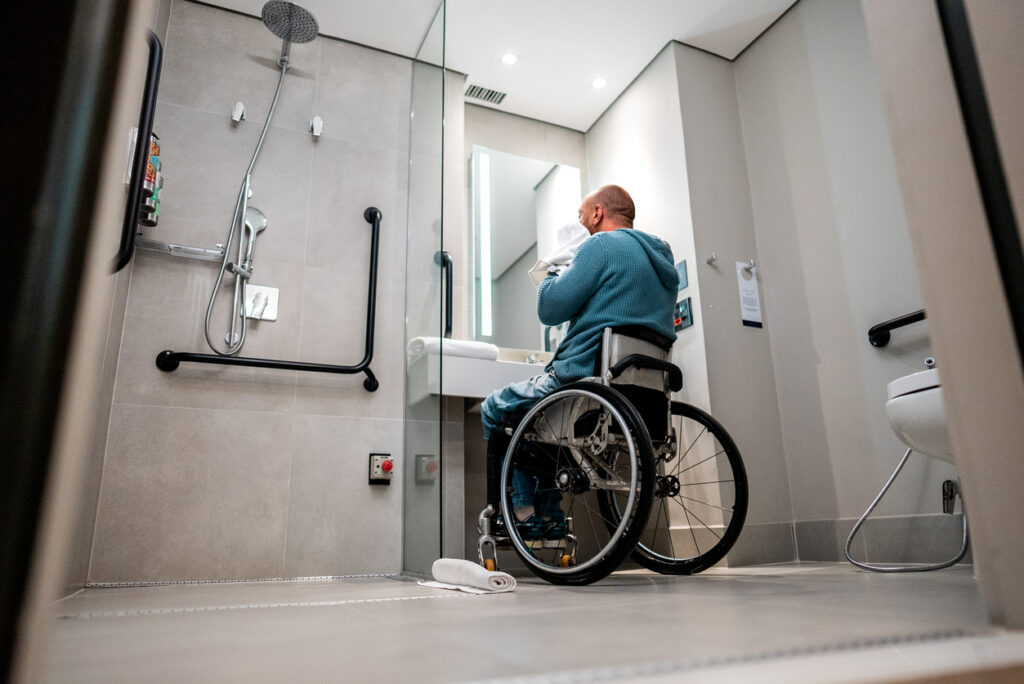
Living with a spinal cord injury, spina bifida, and other conditions, while learning to manage bladder health is a major milestone in regaining independence. However, the transition to a daily routine can come with a learning curve. If you’ve ever wondered, “Is self-catheterization painful?” or are struggling with understanding the logistics of self-cathing from a wheelchair, you aren’t alone.
While some discomfort is common during the learning phase, persistent self-catheterization problems are often the result of avoidable mistakes. Here are the top 5 self-cathing errors and how to fix them to ensure your routine is as seamless as possible.
1. Using the Wrong Self-Cathing Equipment
One of the most common problems with self-catheterization is using a product that doesn’t fit your anatomy. Using catheters with rough eyelets (the drainage holes) or using a straight tip when you have a blockage.
The solution: Look for “fire-polished” eyelets which are smoothed down to prevent micro-tears in the urethra. If you find inserting a male catheter difficult due to an enlarged prostate or strictures, ask your doctor about a Coudé tip catheter, which has a curved tip to navigate obstacles.
2. Skimping on Catheter Lubrication
If you are asking, “Does self-catheterization hurt? “The answer is often linked to friction. Using insufficient lubricant or letting the catheter dry out before insertion.
The solution: Use plenty of water-soluble gel lubricant. Better yet, many people living with self-catheterization find success with hydrophilic catheters. These have a polymer coating that becomes incredibly slippery when it hits water, staying lubricated throughout the entire process.
3. Ignoring a Possible Latex Allergy
It is a common misconception that irritation is just “part of the process.” Pushing through itching, redness, or swelling could be a sign of a latex allergy or a serious skin sensitivity that requires an immediate switch to a different material like silicone or PVC.
The solution: Some catheters are made of latex. If you experience these symptoms, you may have latex sensitivity. Switch to silicone or PVC (latex-free) options immediately and consult your urologist.
4. Being Inconsistent with Your Cathing Schedule
When you’re busy or out in your chair, it’s easy to think, ‘I’ll just wait another hour,’ but allowing your bladder to become overfull is a mistake. Letting the bladder overstretch doesn’t just cause discomfort, it can lead to serious complications like kidney reflux or UTIs.
How can I remember to self-catheterize on schedule? Use your smartphone or smartwatch to set recurring alarms. There are also specialized apps designed for SCI patients to track fluid intake and output.
5. Tensing Up During Catheter Insertion
The “sphincter jump” is a real thing. When you get nervous, your muscles tighten, making self-cath much harder. The worst you can do is forcing the catheter when you feel resistance.
The solution: When you reach the sphincter (usually about 6 inches in for men), you may feel a “stop.” Don’t push harder. Instead, take a deep breath, cough, or try to “bear down” as if you are trying to urinate. This naturally relaxes the muscles and allows the tube to pass through.
Pro Tips to Make Self-Cathing Easier
These small adjustments can make a world of difference in your daily comfort:
- Mirror Placement: If you are still perfecting your aim or have limited sensation, use a mirror attached to your wheelchair, draped over your leg, or a free-standing mirror on a stool. Visualizing the insertion point reduces “false starts” and keeps the process clean.
- Temperature Matters: In colder months, catheters can become slightly stiffer. Keeping your supplies at room temperature, or warming a closed catheter package between your hands for a minute, makes the material more flexible and comfortable for insertion.
- Carry a “Go-Bag”: Never be caught without supplies. Keep a small, discreet kit on your chair containing your catheters, hand sanitizer, and extra lubrication. Being prepared reduces the stress of sticking to your schedule while you’re out and about.
Signs You May Need a Different Catheter Type
Living with self catheterization is a journey, and the product you started with may not be the one you stay with. If you notice persistent resistance during catheter insertion, or if the process feels like a struggle every time, it’s a sign that your catheter size, lubricant, or material may be wrong.
Common signs that it’s time to switch include:
- Frequent urethral irritation
- Difficulty bypassing the sphincter
- Feeling like your bladder isn’t fully emptying
- Pain or discomfort with self-cathing
Many users find relief by switching to a Coudé tip for easier navigation or a hydrophilic coating to ensure the entire process remains friction-free.
How Often Should You Self-Catheterize?
For effective bladder management, consistency is key. The American Urological Association (AUA) emphasizes that intermittent catheterization is the preferred method for managing urinary retention because it best mimics normal bladder function. Most medical professionals recommend intermittent catheterization every 4 to 6 hours to prevent infections and maintain bladder and overall health.
If you allow your bladder to hold more than 400–500 mL of urine, you risk stretching the bladder wall or causing “reflux” toward the kidneys. Sticking to a strict schedule is one of the most effective methods for urinary tract infection prevention, as it keeps bacteria from sitting in the bladder for too long.
Common Self-Catheterization Problems in Men vs. Women
While the goal of intermittent catheterization is the same, the challenges can differ based on anatomy:
| Feature | Male Catheterization Problems | Female Self-Catheterization Problems |
| Primary Obstacle | Navigating the prostate and the sharp curve of the male urethra. | Locating the urethral opening, especially when seated in a wheelchair. |
| Pain Points | High resistance at the urethral sphincter. | Irritation from “blind” insertion attempts or improper angles. |
| Common Fix | Using a Coudé tip or a longer, 16-inch catheter. | Using a mirror or a longer catheter for easier handling, insertion, and drainage. |
When to Call a Doctor About Self-Catheterization Pain
While it is normal to feel some pressure when you first start, you should never ignore sharp or worsening pain. If self-catheterization is painful every time you use your catheter supplies, or if you notice blood in your urine, it’s time to call your urologist.
Additionally, seek medical advice if you experience “autonomic dysreflexia” symptoms (sudden high blood pressure or headache), as this can be triggered by urinary retention or an underlying infection. Maintaining a cleantechnique is vital, but if symptoms like fever, cloudy urine, or increased spasticity appear, you likely have a UTI that requires professional treatment.
FAQ About Living with Self-Catheterization
When is the best time of day to self-catheterize?
Consistency is more important than the specific “time.” Most doctors recommend cathing every 4 to 6 hours. You should always cath first thing in the morning and right before you go to bed.
Is it normal to feel pain during self-catheterization?
You may feel a “pressure,” but it should not be sharp or agonizing. If catheterization is painful every time, you likely need a different size, more lubricant, or a different tip style.
What are the early warning signs of a UTI?
Since many people with spinal cord injuries may not feel the classic “burning” sensation, watch for:
- Cloudy or foul-smelling urine.
- Increased muscle spasms (spasticity).
- Fever or chills.
- Unexplained fatigue or “autonomic dysreflexia” symptoms (like a sudden headache).
Numotion is Your Partner in Cathing Independence
While self-cathing problems can be frustrating, they are usually a sign that your technique or your equipment needs a tweak. At Numotion, we help make living with self-catheterization easier by providing personalized solutions backed by deep clinical knowledge and insurance experts who navigate over 2,000 plans for you.
Whether you’re dealing with supply changes or need a more comfortable fit, our specialists are committed to ensuring you have the reliable supplies you need to maintain your independent lifestyle. We’ll send catheter samples directly to you so you can try different tips and lubrication styles before you commit. Take the guesswork out of your routine and experience the difference that the right equipment can make.