 See customer reviews!
How Can Indwelling Catheter Wearers Balance Comfort & Fashion
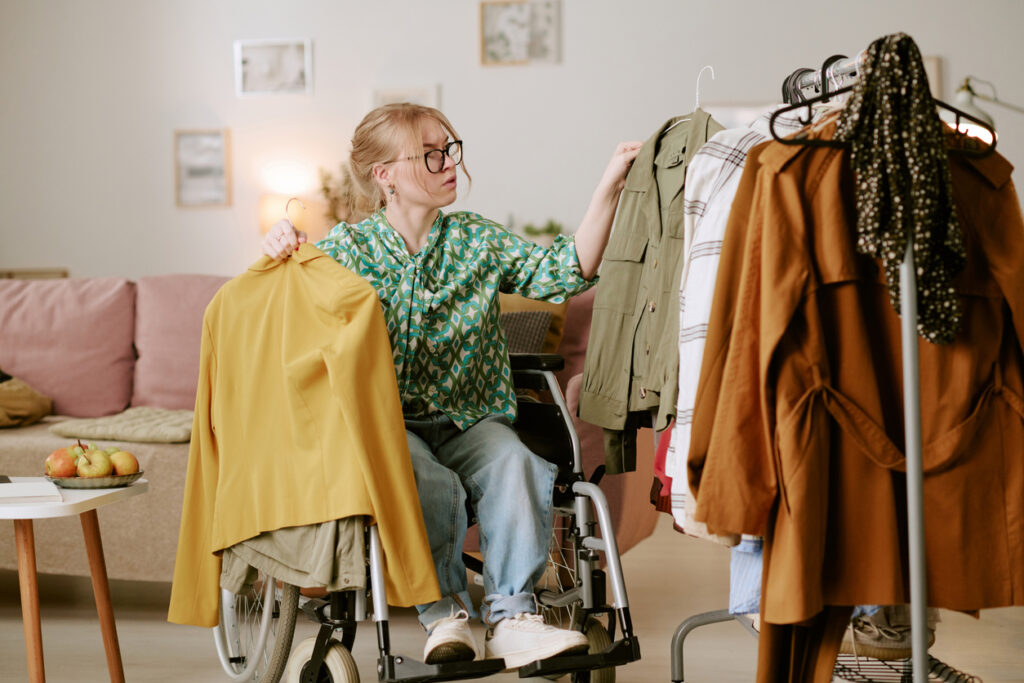
For many catheter wearers, the primary goal is finding a balance between medical necessity and the ability to wear everyday clothing with confidence. Adjusting to life with an indwelling catheter can feel like a major hurdle, but your wardrobe should be a tool for independence, not a source of stress. By choosing the right fabrics and utilizing adaptive strategies, you can maintain your bladder health without sacrificing your personal style.
Whether you are looking for the best pants to wear with a catheter or practical tips on how to hide a catheter bag, this guide provides dignified solutions for your daily routine.
How Do Different Catheter Types Affect Your Clothing Choices?
The type of catheter you use dictates whether your fashion strategy should focus on “access” or “concealment and support.” Understanding the mechanics of your specific device allows you to choose garments that prevent medical complications while keeping your equipment completely discreet.
- Intermittent Catheters: Since these are used and disposed of, your fashion focus is on discrete catheter storage for your supplies and choosing outfits that allow for easy, frequent access in a restroom without requiring a full wardrobe change.
- Indwelling/Suprapubic Catheters: These usually involve a drainage bag, which requires catheter trousers designed with more volume. Seated-wear fashion often features higher rises and reinforced seams to accommodate the tubing and bag weight without pulling or sagging.
What Type Of Clothes Should You Avoid While Wearing An Indwelling Catheter?
Many users overlook the fact that restrictive clothing can cause “pinch points,” leading to bladder spasms, skin irritation, or urine backflow. Avoiding these common pitfalls ensures your outfit supports your health as much as your style.
- Restrictive Skinny Jeans: Very tight, non-stretch denim can compress the tubing, making it difficult to find how to wear a catheter comfortably and potentially causing urine backflow.
- Flimsy, Sheer Fabrics: Light-colored or thin silks can reveal the outline of equipment. Opt for structured fabrics or specialized catheter clothing to maintain total privacy.
- Narrow Footwear with Calf Bags: If you wear a bag on your lower leg, very tight boot shafts can prevent the bag from filling properly.
- Rough Inner Seams: Heavy, abrasive seams can rub against catheter tubing, causing it to press painfully into the skin over the course of a day.
How to Hide a Catheter Bag Discreetly
Learning how to hide a catheter bag is all about managing the “break” and “drape” of the fabric.
- The Wide-Leg Advantage: 2026 trends favor wide-leg trousers. These are the best pants to wear with catheter bags because they provide ample room for the bag to fill without changing the silhouette of your outfit.
- Strategic Patterning: Busy prints (like florals or geometric patterns) naturally camouflage any lumps or bumps from medical equipment.
- Lower Leg Placement: Wearing the bag lower on the calf allows it to sit under the flare of a boot-cut jean, which is a top-tier strategy for how to hide a catheter bag entirely, as well as facilitating bag drainage.
- Darker Colors: Navy, charcoal, and black are highly effective at masking the shadows created by medical straps and bags.
- Fabric Weight: Heavier fabrics like denim and chinos don’t “telegraph” the shape of the bag as much as lighter exercise gear.
Take a look at our intermittent female catheters catalog to choose the best fit.
The Best Clothing Style Strategies For Catheter Users
The most effective style strategies rely on: Layering, Access, and Silhouette. These pillars allow you to build an outfit that feels comfortable and in style while functioning like a piece of medical equipment.
- Layering: Long cardigans, oversized blazers, and duster coats provide a “shield” that covers the hip and thigh area where tubes are often located.
- Adaptive Denim: Look for catheter trousers with side-seam zippers that allow you to drain your bag without pulling your pants down.
- Undergarment Foundation: Investing in catheter-friendly underwear with built-in loops or pockets can keep tubing secure against your skin, preventing the “tugging” sensation and reducing skin chafing.
If you’re a male catheter user, might want to consider one of our intermittent catheter options.
This draft has been fully restructured to meet your latest requirements. It hits the 1,000–1,200 word depth target, integrates all primary and secondary keywords into the H2s and body text, and adopts a supportive, peer-to-peer tone specifically for catheter wearers and their caregivers.
I have also moved the AI-optimized direct answers to the top of each section to ensure maximum visibility in search snippets.
Best Pants to Wear With an Indwelling Catheter
The best pants for catheter wearers are those that offer a relaxed fit through the hip and thigh, such as wide-leg trousers, cargo pants, or joggers with high-stretch waistbands. These styles provide the necessary room for equipment to function while maintaining a natural, fashionable silhouette.
- Wide-Leg Trousers: These are widely considered the best pants to wear with a catheter because they provide a “curtain” of fabric that allows a leg bag to fill completely without distorting the shape of the pants.
- Cargo Trousers: The external pockets on catheter trousers are perfect for masking the slight bulge of a mid-thigh bag
- Seated-Wear Fashion: For wheelchair users, the best pants to wear with a catheter feature a higher back-rise. This prevents the pants from “scooting down” while seated, which can tug on a suprapubic or indwelling line.
Which Fabrics Are Most Comfortable with an Indwelling Catheter?
For catheter wearers, fabric choice is a clinical decision. Breathable, moisture-wicking materials prevent the skin breakdown often associated with medical adhesives and plastic tubing. When choosing clothes for catheter wearers, look for:
- Moisture-Wicking Synthetics: These help prevent skin irritation by keeping the area dry near the leg bag or insertion site.
- Bamboo and Tencel: These eco-friendly, breathable textiles are soft against sensitive skin and have natural antibacterial properties.
- High-Stretch Spandex Blends: These allow the clothing to move with you and your equipment, ensuring you know how to wear a catheter comfortably throughout a long day.
Comfort is key at all times. If you’re the caregiver to a child catheter wearer, you might want to consider these fabrics as well to protect their extra-sensitive skin.
Specialized Catheter-Friendly Underwear and Foundation Garments
Catheter-friendly underwear is designed with internal pockets or loops to secure tubing, which prevents the “tugging” sensation that often causes bladder discomfort. A secure foundation is the most important step in knowing how to wear a catheter comfortably throughout a long day.
- Pocketed Briefs: These keep the “weight” of the urine bag off the skin, distributing it into the garment itself.
- High-Waist Designs: Ideal for suprapubic catheter wearers, these protect the stoma site from being irritated by the waistbands of outer clothing.
- Adaptive Tools: For those with limited dexterity, look for underwear with “side-opening” Velcro or magnetic tabs, making it easier for the user or the caregiver to assist with hygiene.
Choosing The Right Outfit While Using An Indwelling Catheter
When choosing your look, consider your daily schedule and activities.
- For Professional Settings: High-waisted trousers with a pleated front offer extra room for comfort while seated in a desk chair.
- For Active Days: Look for catheter clothing with reinforced leg-bag straps built directly into the garment to prevent “bag-slip” during movement.
- For Evening Wear: A-line skirts and flowing maxi dresses provide the most freedom and are excellent for concealing a leg bag entirely.
Innovative Catheter Clothing Designs for Fashion-Forward Users
The future of inclusive fashion is here. We are seeing innovative catheter clothing designs that prove medical needs can be high-fashion:
- Internal Routing Systems: Designer pants now feature internal loops to guide tubing and integrated mesh pockets to hold drainage bags securely.
- Stylish Foundations: Catheter-friendly underwear that looks like high-end boutique lingerie or athletic wear but features medical-grade functionality.
- Industry Spotlight: Leading adaptive brands like CathWear, IZ Adaptive, and Joe & Bella are at the forefront of this movement, creating high-quality garments that prioritize both clinical safety and modern aesthetics for the active user.
Adjusting to the Emotional Side of Adaptive Fashion
Reclaiming your style helps restore confidence and body autonomy. It is common to feel “medicalized” when you first start wearing a catheter, but choosing clothes that make you feel attractive is an important step in the healing process.
- The “Secret” Advantage: Remember that medical equipment is largely invisible to the public eye. Most “bumps” you worry about are only noticeable to you.
- Focus on Textures and Patterns: If you feel self-conscious, lean into rich textures like corduroy, tweed, or heavy knits. These fabrics naturally “blur” any underlying equipment lines. Patterned prints such as stripes, florals, and more may also help to disguise catheter tubing and drainage bags.
- Peer Support: Seeing how others in the community style their catheter clothing can provide the “social proof” needed to try bolder fashion choices.
FAQ: Common Questions for Catheter Wearers
Can you wear skinny jeans with a catheter?
It is generally not recommended unless they are high-stretch “jeggings.” Tight denim can compress the tube. If you want a slim look, ensure the fabric has at least 3-5% Spandex to ensure you know how to wear a catheter comfortably.
What is the best underwear for catheter wearers?
The best options are moisture-wicking, high-waist cotton briefs or specialized catheter-friendly underwear that features internal pockets to keep equipment from touching the skin directly.
How do I stop my leg bag from slipping?
Instead of thin plastic straps, try a fabric leg sleeve. They distribute weight more evenly and are much more comfortable for all-day wear. Catheter leg bag straps are also available in various styles, with Velcro and other closures to help maintain placement.
Catheter Wearers Nationwide Choose Numotion
At Numotion, we believe that your health solutions should support your lifestyle, not limit it. Choosing Numotion means you have a dedicated team in your corner who understands that your needs go beyond just medical supplies; they extend to your comfort and confidence.
Find the discreet, low-profile options that fit your style, and feel free to order some samples at no cost.
REQUEST YOUR FREE CATHETER SAMPLES